
Could Mars soil block Earth microbes? 'Water bears' offer a clue
Tardigrades, commonly known as water bears, may be better suited by a new name: Tardiguardians of the Galaxy. Unlike the fictional ragtag team of unenthusiastic heroes, the microscopic animals are providing real insight into how humans could adapt extraterrestrial resources to support space exploration, as well as whether such resources could help protect against the Earthly contaminants that humans might shed.
Complete Article Summary
Tardigrades, commonly known as water bears, may be better suited by a new name: Tardiguardians of the Galaxy. Unlike the fictional ragtag team of unenthusiastic heroes, the microscopic animals are providing real insight into how humans could adapt extraterrestrial resources to support space exploration, as well as whether such resources could help protect against the Earthly contaminants that humans might shed.
This discovery adds to our understanding of planetary science and the evolution of our solar system. By studying these celestial bodies, scientists analyze geological formations, atmospheric compositions, and potential biosignatures that could indicate past or present life.
Planetary research helps us understand the formation processes that created our solar system over 4.5 billion years ago. Comparative planetology allows scientists to study how different initial conditions and evolutionary paths led to the diverse worlds we observe today, from the scorching surface of Venus to the icy moons of Jupiter.
These findings have implications for astrobiology, resource utilization, and future human exploration. Understanding planetary environments helps mission planners design appropriate spacecraft, select landing sites, and develop technologies for in-situ resource utilization that will support sustained human presence beyond Earth.
Related Articles
Intuitive Machines raises $175 million in stock sale
Intuitive Machines raised $175 million in a stock sale Feb. 25 and plans to use the proceeds to help build out a deep space communications network. The post Intuitive Machines raises $175 million in stock sale appeared first on SpaceNews.

'Star Trek: Starfleet Academy' is making Trek horny again, and it's about time!
"I am programmed in multiple techniques. A broad variety of pleasuring."
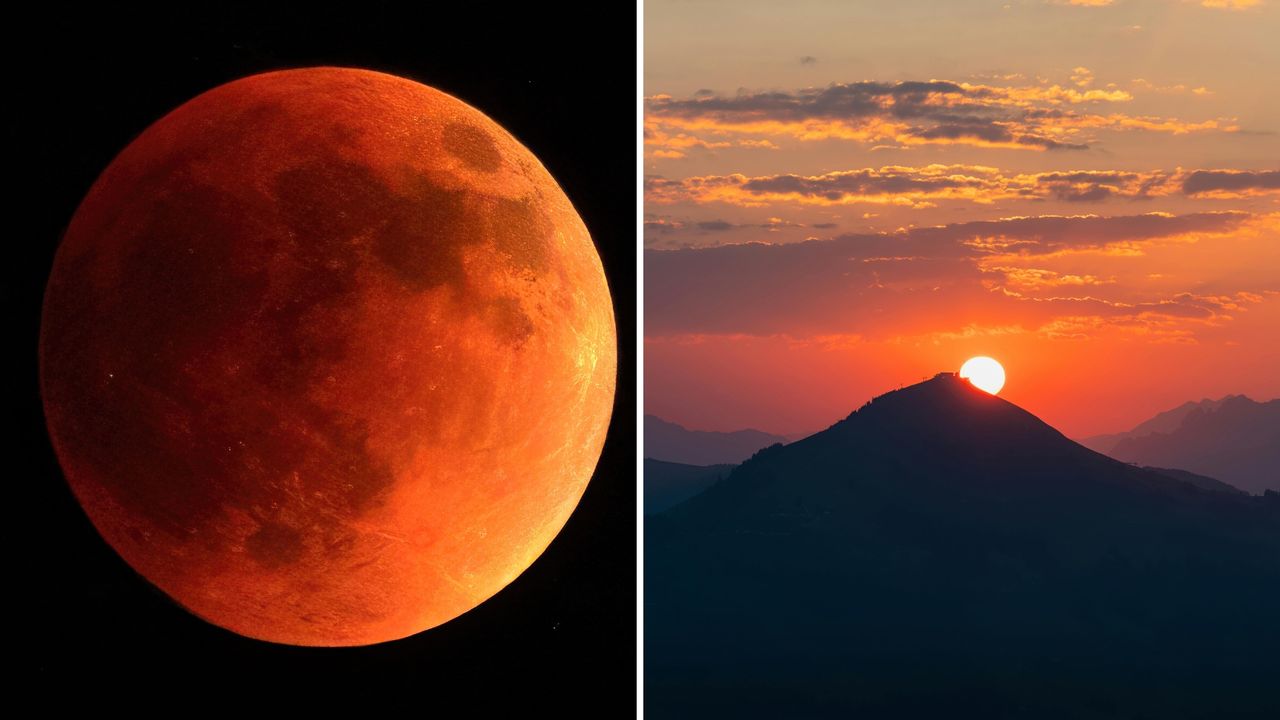
See the 'impossible' as sunrise and a total lunar eclipse appear at the same time on March 3
A rare atmospheric effect called selenelion could briefly let skywatchers see the rising sun and a blood moon at the same time.
More Space News
Related articles will be displayed here based on category and content similarity.