
Using moon dirt with 3D printing to build future lunar colonies
Simulated lunar dirt can be turned into extremely durable structures, potentially paving the way to more sustainable and cost-effective space missions, a new study suggests. Using a special laser 3D printing method, researchers melted fake lunar soil—a synthetic version of the fine dusty material on the moon surface, called regolith simulant—into layers and fused it with a base surface to manufacture small, heat-resistant objects.

Complete Article Summary
Simulated lunar dirt can be turned into extremely durable structures, potentially paving the way to more sustainable and cost-effective space missions, a new study suggests. Using a special laser 3D printing method, researchers melted fake lunar soil—a synthetic version of the fine dusty material on the moon surface, called regolith simulant—into layers and fused it with a base surface to manufacture small, heat-resistant objects.
Lunar exploration and research continue to be priorities for space agencies worldwide as humanity prepares to establish a sustained presence on the Moon. The Moon offers unique scientific opportunities and serves as a proving ground for technologies needed for Mars missions and beyond.
Recent discoveries of water ice in permanently shadowed craters and potential resources in lunar regolith have renewed interest in establishing permanent lunar bases. These resources could support life support systems, provide rocket propellant, and reduce the cost of deep space exploration by eliminating the need to launch everything from Earth.
International lunar programs emphasize cooperation, resource sharing, and the establishment of common standards for sustainable exploration. The Artemis Accords and similar frameworks aim to ensure that lunar activities benefit all of humanity while establishing precedents for responsible space resource utilization.
Related Articles
This Week In Space podcast: Episode 199 — The Obsolete Astronaut?
On Episode 199 of This Week In Space, Rod Pyle and Tariq Malik talk with Dr. Pascal Lee, who has thoughts on how and when robots may perform better —and more safely —than humans in space.
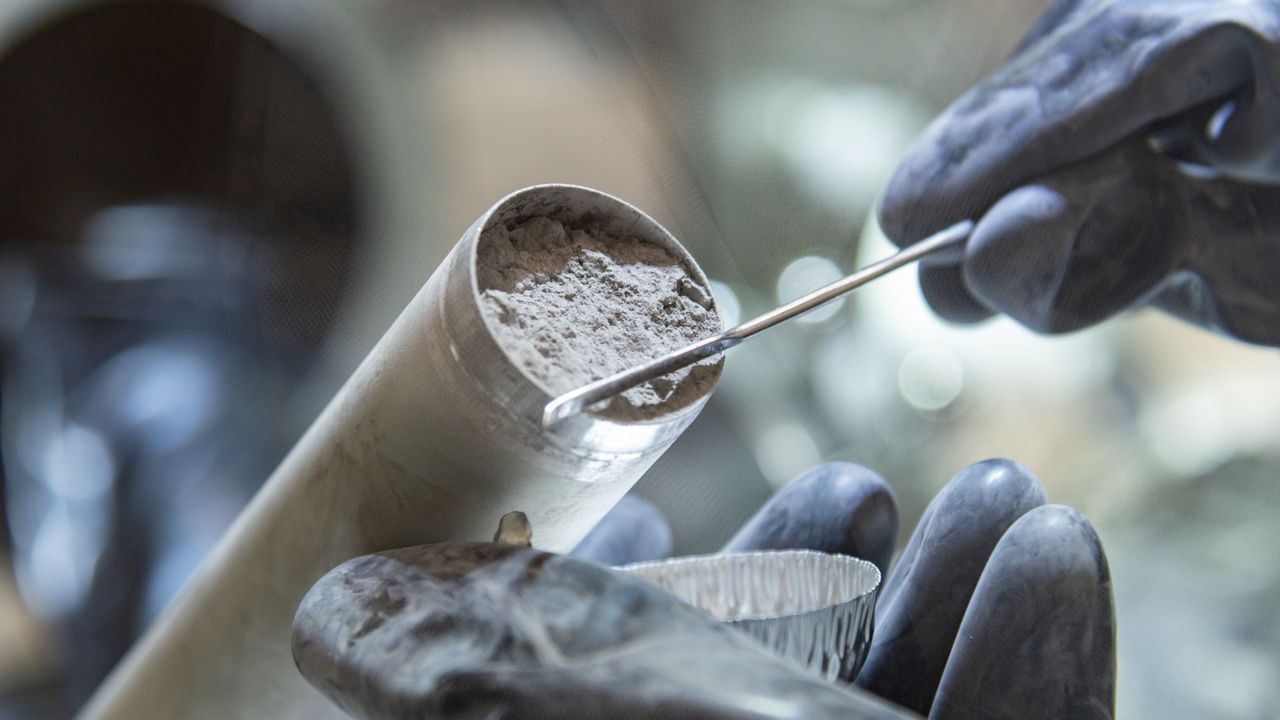
Is it legal to own, buy, or sell Apollo mission moon rocks and lunar samples?
NASA has severe penalties for those who dare to deal in astromaterials.
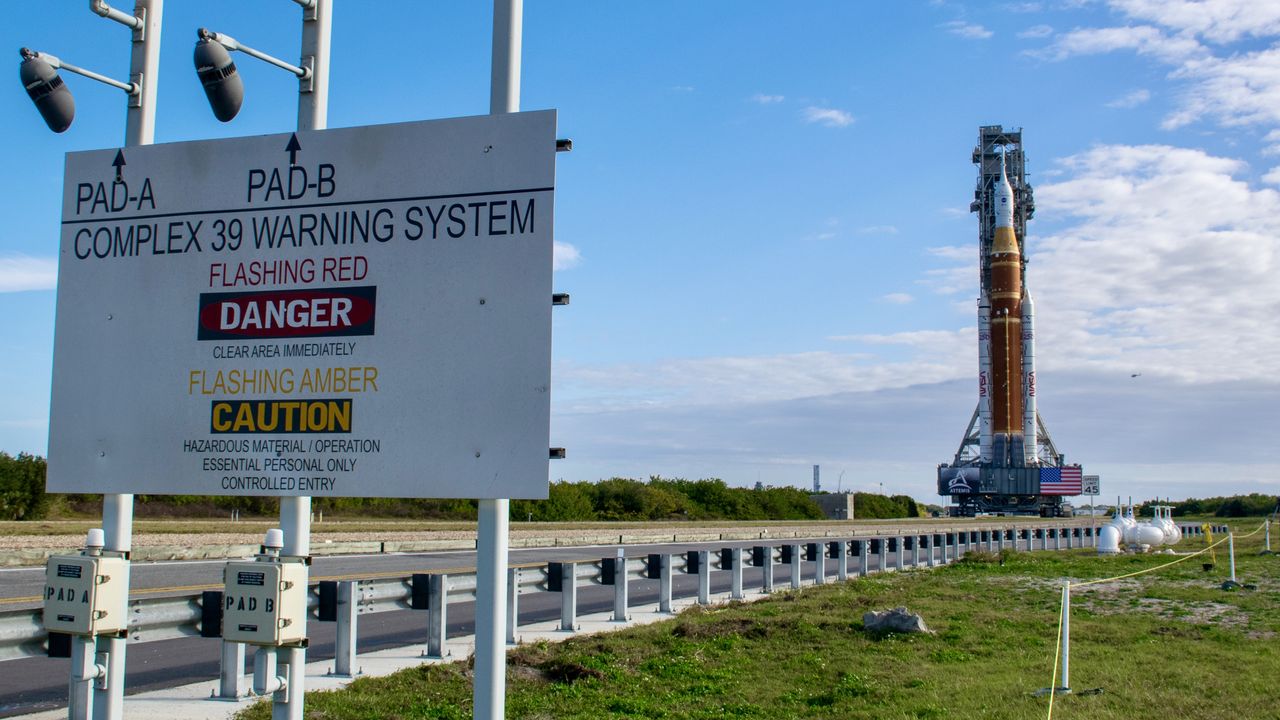
NASA's Artemis 3 astronauts won't land on the moon after all. 'This is just not the right pathway forward.'
NASA is changing its plans to return astronauts to the moon, and redrawing the architecture for how the Artemis missions will look moving forward.
More Space News
Related articles will be displayed here based on category and content similarity.